Original: $76.88
-65%$76.88
$26.91The Story
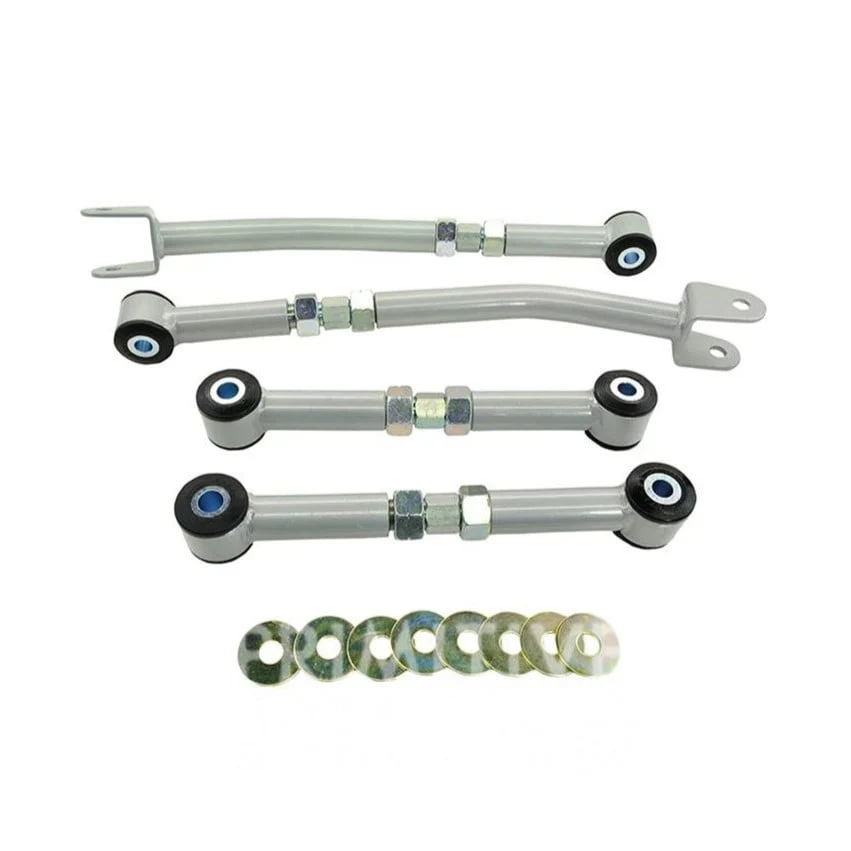
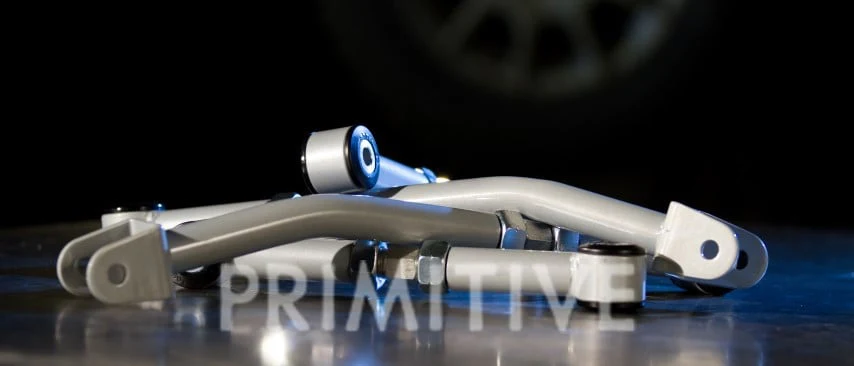
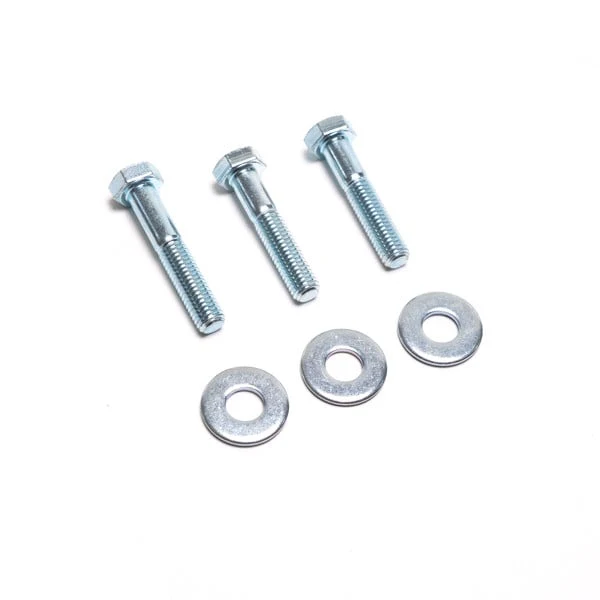
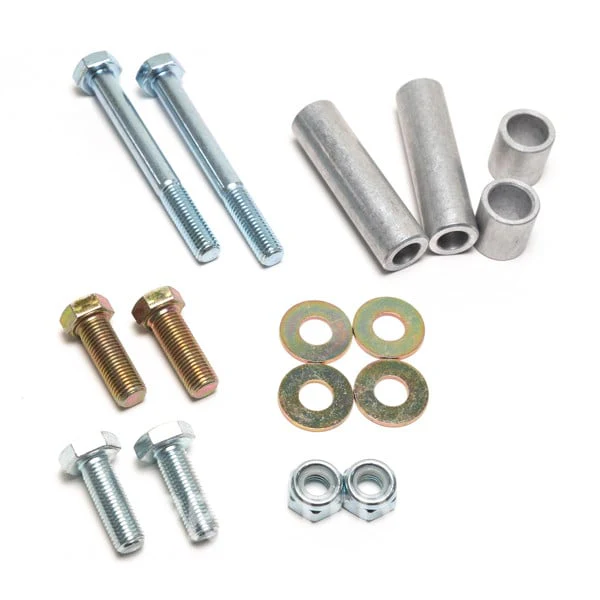
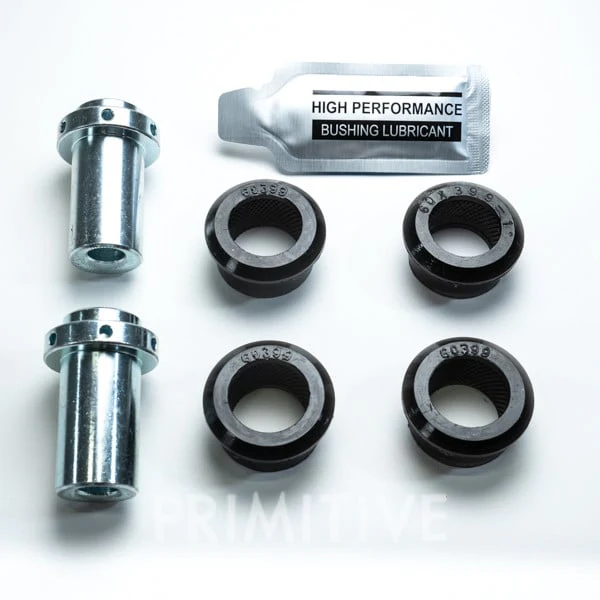
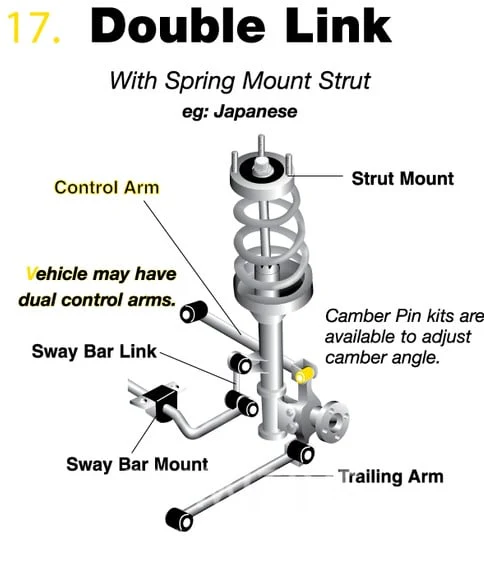
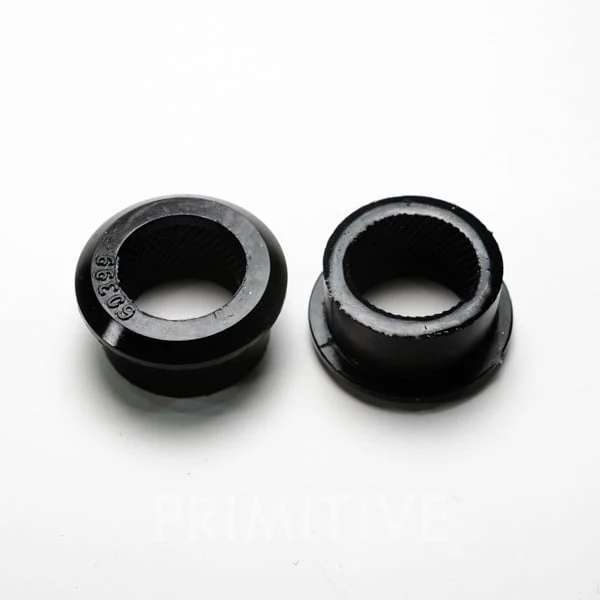
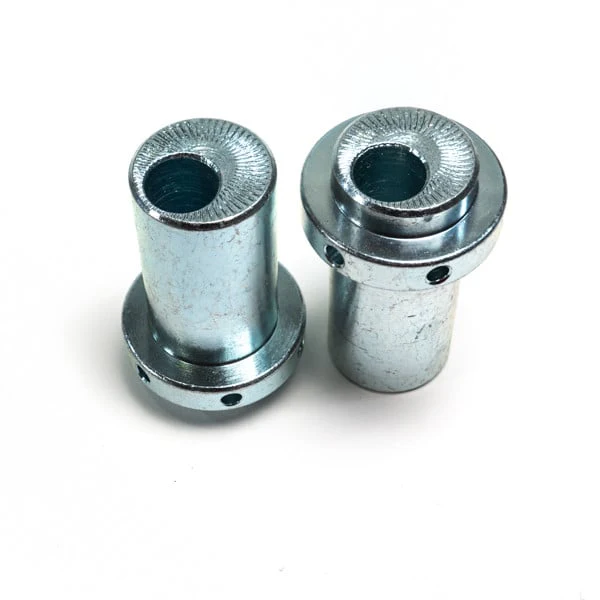
2000-2009 Legacy and Outback Rear Camber kit. Includes new upper control arm bushings. Eccentric bushing centers rotate to adjust the rear camber alignment angle. There is no camber adjustment from the factory. These are a must for anyone lifting or lowering their car and wanting to run different alignment specs.
Camber is the inclination of the wheel when viewed from the front. When the top of the wheel leans out you have positive camber. When the top leans in you have negative camber. Static negative camber is used to compensate for body roll when cornering. Its important to highlight the fact that camber settings are ultimately a personal thing. Final alignment settings will depend on your driving style, conditions, tire size and many other things. You need to start with a relevant number, then monitor tire wear and compensate if necessary.
Details & Craftsmanship
Every detail has been carefully considered to bring you the perfect product.
Details & Craftsmanship
Every detail has been carefully considered to bring you the perfect product.
Details & Craftsmanship
Every detail has been carefully considered to bring you the perfect product.
Description
2000-2009 Legacy and Outback Rear Camber kit. Includes new upper control arm bushings. Eccentric bushing centers rotate to adjust the rear camber alignment angle. There is no camber adjustment from the factory. These are a must for anyone lifting or lowering their car and wanting to run different alignment specs.
Camber is the inclination of the wheel when viewed from the front. When the top of the wheel leans out you have positive camber. When the top leans in you have negative camber. Static negative camber is used to compensate for body roll when cornering. Its important to highlight the fact that camber settings are ultimately a personal thing. Final alignment settings will depend on your driving style, conditions, tire size and many other things. You need to start with a relevant number, then monitor tire wear and compensate if necessary.